


🎯 Three-Shot Burst
Canada is quietly doing something paradoxical and very Canadian: preparing for the possibility that the United States could become a threat, while rebuilding its defence posture in a way that Washington has been demanding for years.
The trigger isn’t a belief that America will invade tomorrow. It’s the realization that the old assumption — the U.S. is always a stable, benign guarantor — no longer holds.
Trump’s talk of annexation, his raid on Venezuela, flirtations with force over Greenland, and willingness to deploy troops domestically have shattered a 200-year mental model. Ottawa is now planning for spillover chaos, cyber warfare, infrastructure sabotage, mass migration northward — and, in the most uncomfortable war games, limited American incursions.
Canada has never had an equivalent of Uncle Sam, sternly exhorting its citizens to sign up to fight for their country. That is changing. Jennie Carignan, Canada’s top soldier, is looking for Canadians—whether they are 16 or 65—who will come to their country’s aid in the event of a military attack or calamitous natural disaster.
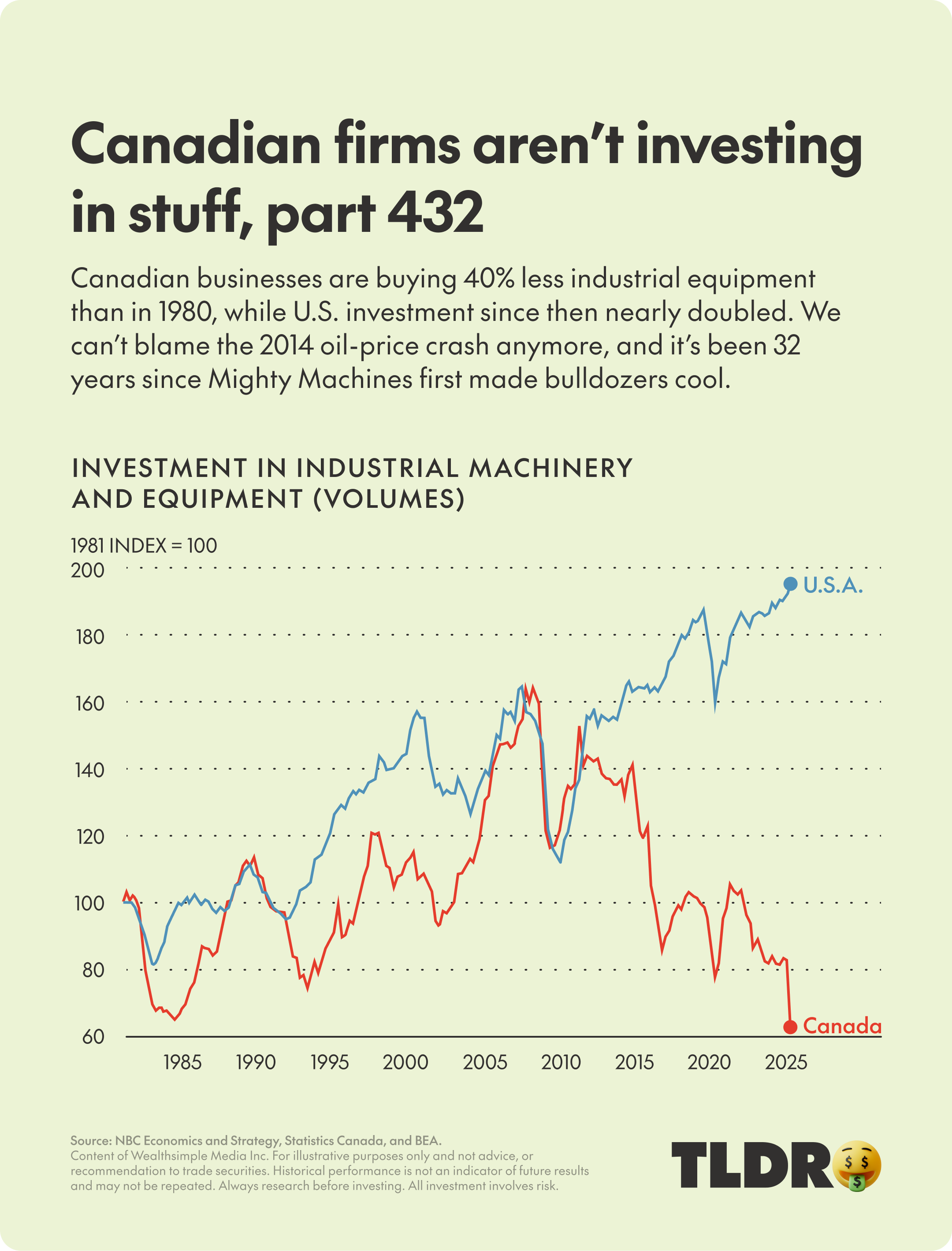
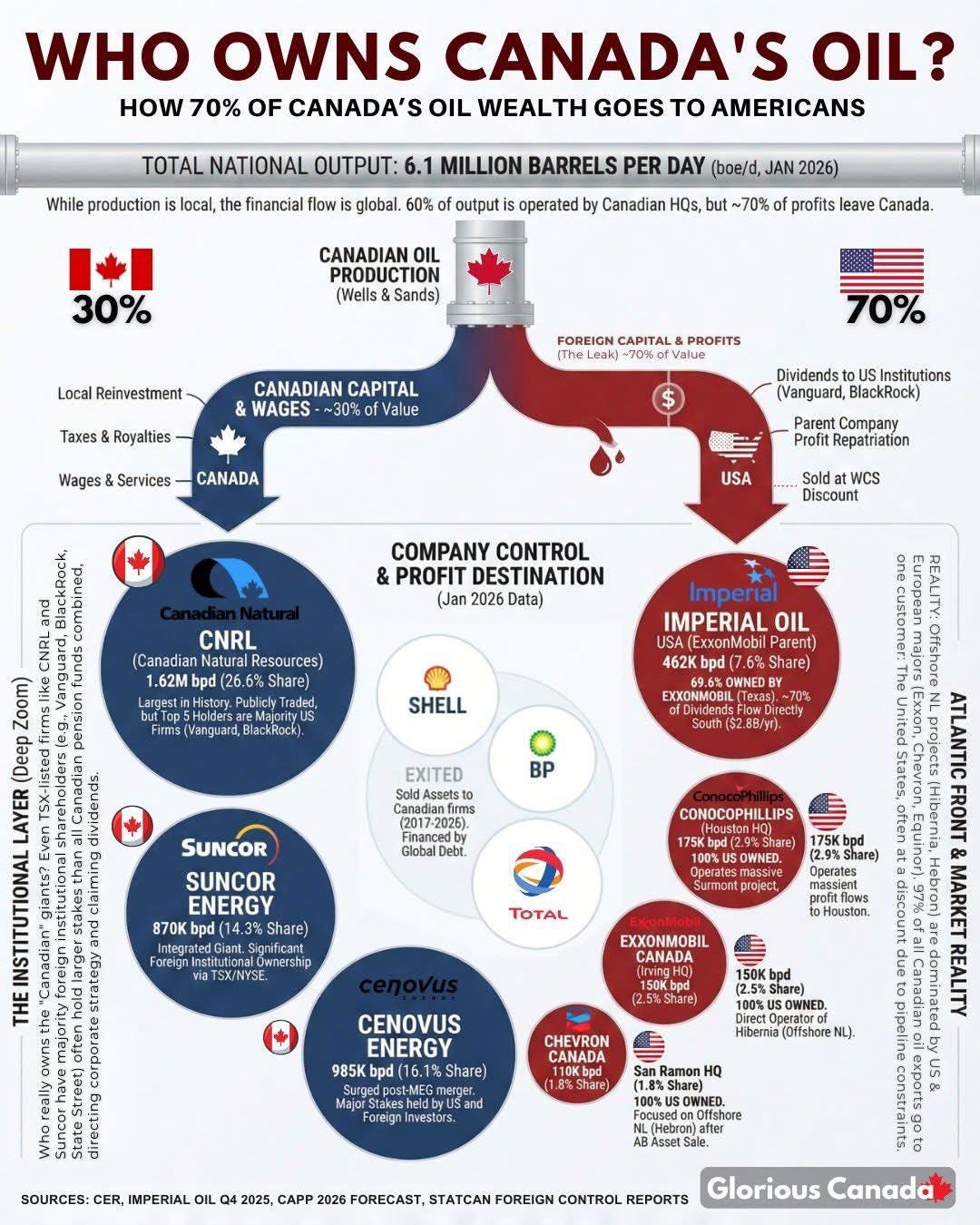
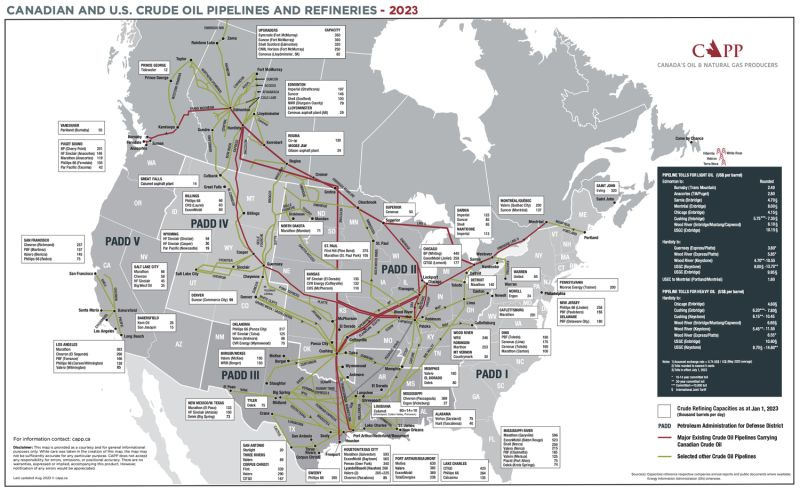
Reality check: This move is motivated by fear of American unpredictability, yet it directly satisfies American demands that allies stop freeloading on U.S. security. Canada is learning from Finland — bunkers, civilian preparedness, total-society defence — while pledging to spend up to 5% of GDP on defence and secure its Arctic sovereignty. At the same time, Canadians are being forced to confront a US economic dependency problem:
Bottom Line: Canada is hedging against America by beefing up militarily — and in doing so, becoming exactly the kind of ally America says it wants.
Related:
Defence Tech: Building What Canada Can’t Afford to Outsource
‘Disgraceful and indefensible’: feds’ failure to release new Defence Industrial Strategy by deadline sparks backlash… will the eventual policy drive strategic outcomes?
DRDC internal memo: “We live in a world where innovation is the battlefield. Gone are the days of geographic advantage provided by oceans that keep us safe from international threats. Research isn’t just abstract discovery—it’s defence. Every insight strengthens our CAF’s edge.”
Michael Ignatieff: After Venezuela, the Unthinkable Enters Canadian Politics
Trump’s Venezuela, Greenland Threats Make Canada Fear It’s Next
What is Canada’s place in this fragmented new world?
Bridgewater: How Canada Is Responding to American Mercantilism
Dropping the F-35 fighter jet would make us more vulnerable to the U.S., not less
New World Order: The emerging new world order pushed by the US… The US now has a vertically integrated loop for supplying itself and the entire world the critical medium and heavy crude oil products… Monetary power is being reconfigured through digital infrastructure
ADVERTISEMENT

Dominion Dynamics is expanding our team and we’re looking for ambitious Canadians who want to build sovereign technology for the future of national defence.
🤝 Deal Corner
French-U.K. Starlink rival pitches Canada on ‘sovereign’ satellite service for Arctic military operations
Murray Brewster reports that a company largely owned by the French and U.K. governments is pitching Canada on a roughly $250-million plan to provide the military with secure satellite broadband coverage in the Arctic.
“What we can provide for Canada is what we call a sovereign capacity capability where Canada would actually own all of our capacity in the Far North or wherever they require it,” said David van Dyke, the general manager for Canada at Eutelsat, in a recent interview with CBC News.
Eutelsat, a rival to Starlink, already provides some services to the Canadian military, but wants to deepen the partnership as Canada looks to diversify defence contracts away from suppliers in the United States.
Also this week, Toronto-based Kepler Communications successfully deployed its first wave of orbital data centre satellites, becoming the first company in the world to launch a low-Earth orbit satellite system based on an optical relay network. It launched using SpaceX.
Bottom line: Canada is being sold ‘you won’t be at the mercy of one individual like Elon Musk’ while quietly accepting exposure to multiple foreign governments and boards — that’s just diversification of dependence. True sovereignty means a domestic space launch capability, Canadian-owned constellation capacity, Canadian-controlled ground segment and key management, and contracts where foreign partners are modular add-ons, not the backbone.
Related:
Canadian startup Kepler targets defence, AI and earth observation with 10 newly launched satellites… Race for Canadian sovereign launch – $105M ‘Launch the North’ challenge draws strong interest… Canada risks falling behind without major overhaul of space procurement
Dominion Dynamics is one of Canada’s Top Startups To Watch for 2026… Calgary Tech names North Vector Dynamics on list of homegrown startups to watch in 2026
MDA Space signs deal with U.S. Missile Defense Agency for SHIELD program
D-Wave strikes $550-million USD deal to acquire Quantum Circuits
Harmattan AI, a Paris-based defence tech building autonomous drones for military use, has raised a $200m Series B. They are hiring
Key dimensions that any startup building in the defence world needs to take into account if it wants to transition from pilots & grants to actual programs of record
Valinor Raises $54M Series A
French firm secures €40m order for several hundred mine neutralisation drones
Palantir Co-Founder Lonsdale to Invest in Nigeria Drone Firm, Africa’s first neo-prime… Palantir launches American Tech Fellowship for Veterans
Valinor Enterprises: $85 Million Raised to Scale New Operating Model for Defence
OPT to Deliver Multiple Buoy Solution to U.S. Department of Homeland Security in Partnership with Anduril
Thanks To Drones, China And Ukraine, A Record Number Of Military Startups Became Unicorns In 2025
Booz Allen will work with a16z portfolio companies to bring cutting edge technology solutions to critical initiatives in national security
US Department of Defense has selected Owen West, a former Wall Street trader and Marine, to lead its Defense Innovation Unit
B Riley Securities’ Aerospace & Defence Q4 report… Trump proposes massive increase in 2027 defence spending to $1.5T… Trump blocks defence company payouts until arms production speeds up
War economy vs European Silicon Valley? The EU’s competing sociotechnical imaginaries of defence innovation and industry
16 key defence tech events of 2026
ADVERTISEMENT

Join Canada’s innovation leaders at the N³ Summit in Toronto. Promo code: Icebreaker10
⚔️ Combat Readiness
Russia’s Fearsome Arsenal Fizzled in Venezuela. Here’s Why.
Venezuela’s advanced, Russian-made air defence systems were not even hooked up to radar when U.S. helicopters swooped in to snatch President Nicolás Maduro, American officials say, rendering Venezuelan airspace surprisingly unprotected long before the Pentagon launched its attack.
Europe’s generals are warning people to prepare for war — a very long one.
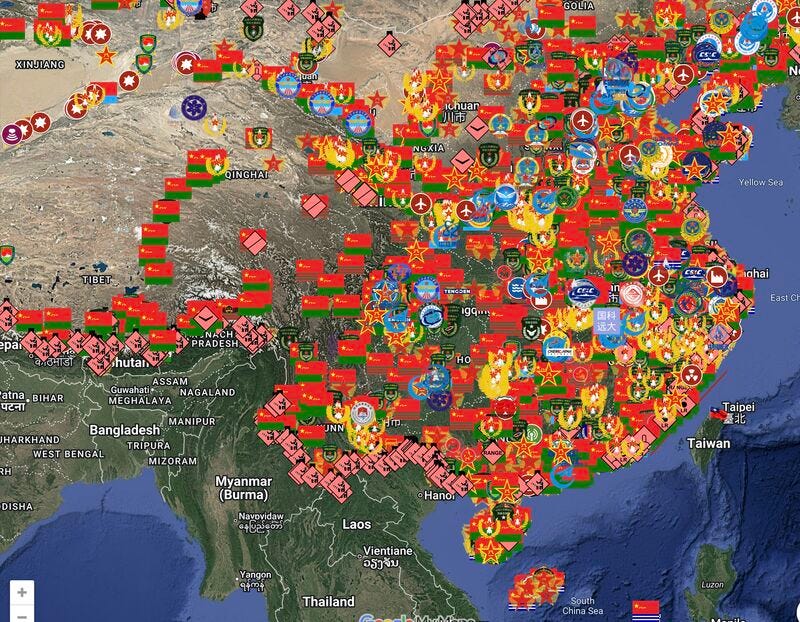
OSINT and the PLA:
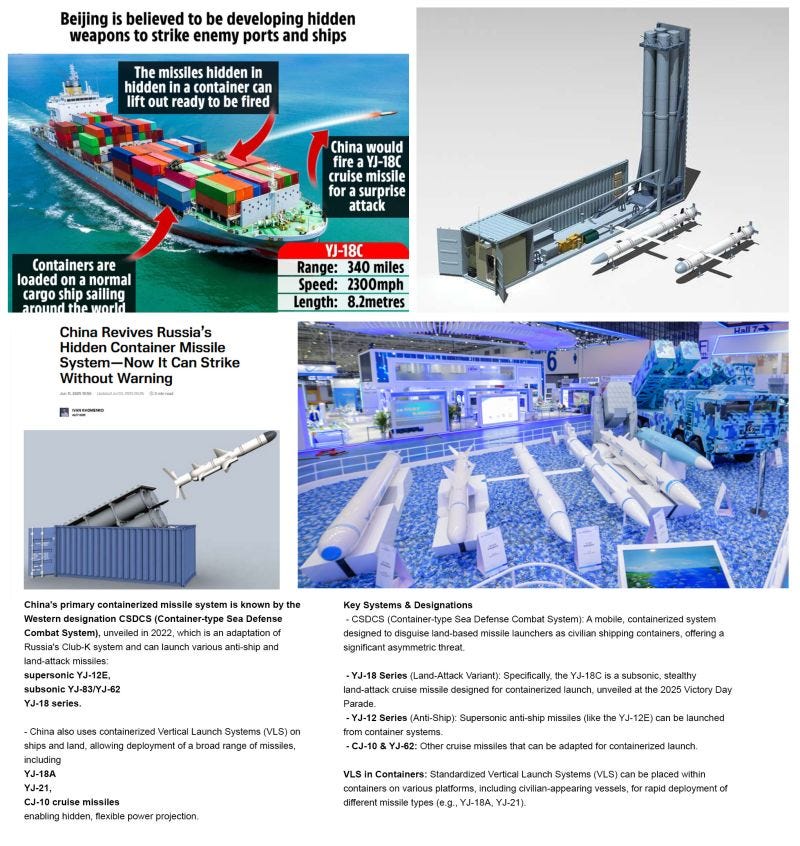
Chinese Cargo Ship Packed Full Of Modular Missile Launchers Emerges — Q-Ship Containerized Weapon System:
Related:
Venezuela fallout: Russia recruits young migrant women from Latin America to build Iranian drones… The Real Reason the Pentagon Approved Venezuela: Critical Minerals and Adversary Expulsion… Venezuela strike marks a turning point for US cyber warfare… Maduro raid had telltale signs of a cyber-enabled blackout… Maduro’s capture reflects growing role of cyberattacks and satellites in warfare


Arctic watch: Russia and China co-operating more often and more closely in the Arctic, says NORAD commander… North American Arctic Defence Cooperation… Russia sees opportunity in thawing Arctic. But it’s looking for partners, too… As the Arctic warms up, the race to control the region is growing ever hotter… The Canadian Rangers in Canada’s Arctic: A Living History with Dr. Whitney Lackenbauer… Canadian NORAD Commander On What It Will Take To Defend The High North
Greenland: Germany to Pitch Arctic NATO Mission to Ease Greenland Rift… Greenland, Rare Earths, and Arctic Security… [MAP] The evolving US military presence in Greenland over time… Alaska, not Greenland, should worry the United States in the Arctic
Department of Irony: The U.S. Department of State has cleared a possible $45-million foreign military sale of AGM-114R Hellfire Missiles and related equipment to Denmark
Snow Globe Multi-Player AI System: Lessons from Human-AI Teaming in War Games… A New Way of Warfare Requires More Than New Tech
Could The Global Combat Air Program Become A Monster Success?
Service acquisition leaders: Why this time will be different for defence acquisition
RCAF wants more than 1,200 security personnel to protect F-35s, other planes… With international threats rising, our military needs a new plan to train the next generation… Canada needs to accelerate the recapitalization and reconstitution of the Canadian Armed Forces
Ukraine dispatch: Russia Says It Used Nuclear-Capable Missile to Strike Western Ukraine… Canada co-signs pact to help secure Ukraine from Russian attacks after peace deal… Ukraine’s military holds lessons for its postwar future
Fixing America’s broken arsenal: The defence establishment has severe knowledge gaps about its own, aging industrial base… US defence industrial base wargame final report… New United States Department of War controls on fundamental research

America must embrace the Electric Age, or fall behind
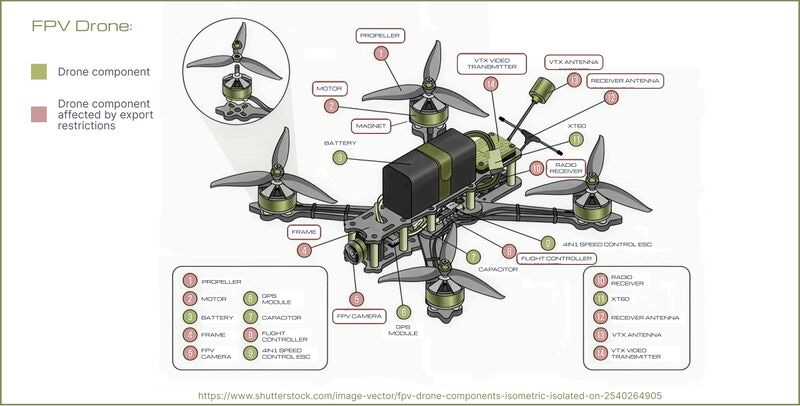
Drone roundup: The Houthis shut down $1 trillion in trade with $5,000 drones… Europe’s drone-filled vision for the future of war… The Evolution of Shahed: From “Flying Moped” to a High-Tech Threat to Europe… One thing that consistently gets lost in discussions about drone warfare is how complicated and fragile the drone supply chain actually is:
ADVERTISEMENT

Barrack Hill: Navigating Canada’s defence and procurement landscape with precision.
🔫 Hot Shots
Grey war: The Age of AI for Offensive Cyber… UK government admits years of cyber policy have failed, announces reset… The United States faces a volume and sophistication of malicious cyber activity that far exceeds the capacity of its current military cyber forces… China has hacked the emails used by congressional staff on powerful committees in the U.S. House of Representatives, as part of a massive cyber espionage campaign known as Salt Typhoon… Taiwan blames Chinese ‘cyber army’ for rise in millions of daily intrusion attempts… Carney government in talks with China about EV tariffs… Secret room beneath Chinese embassy that poses threat to London


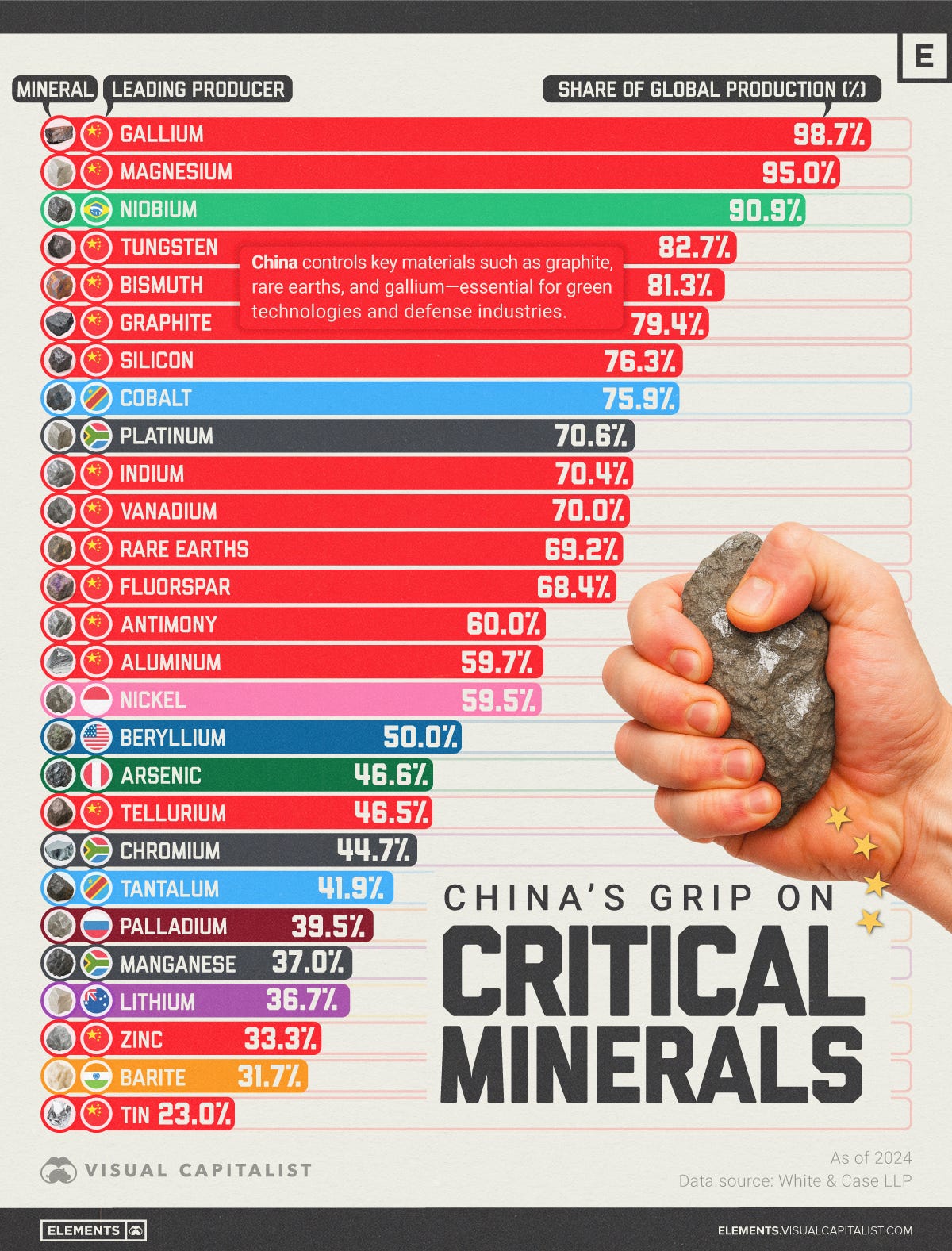
How Much Control China Has Over the World’s Critical Minerals:
Submariner: TKMS make their pitch… Ottawa, stop trying to use military spending to juice the economy… CAMI plant’s future in Ingersoll, Ont., could include military vehicles, union head says… Canada asks South Koreans, Germans for auto sector production pledges as part of submarine bid: source
Roll call: NATO DIANA is looking for four Adoption Officers across three duty stations in London, Tallinn, and Halifax… RCAF commander reports progress on filling recruitment, retention gaps
NRC: Minister Joly announces over $240 million to boost defence innovation support for Canadian small and medium-sized businesses developing dual-use technologies
PSA: Canada’s first hypersonic research challenge is underway
DIA: The Defence Investment Agency (DIA) promises to speed up Canada’s notoriously slow and complex procurement system. So how will it function?
Veteran Absorptive Capacity (VAC): the enterprise’s current ability to convert veteran human capital into measurable business outcomes

If you’ve got battlefield intel, classified tips, or just want to call in an airstrike on our typos, hit “reply” and sound off. Whether it’s a new tech sighting, a rumour from the mess hall, or feedback on our comms, we want your SITREP.